For research purposes only — not for human consumption — 18+ only
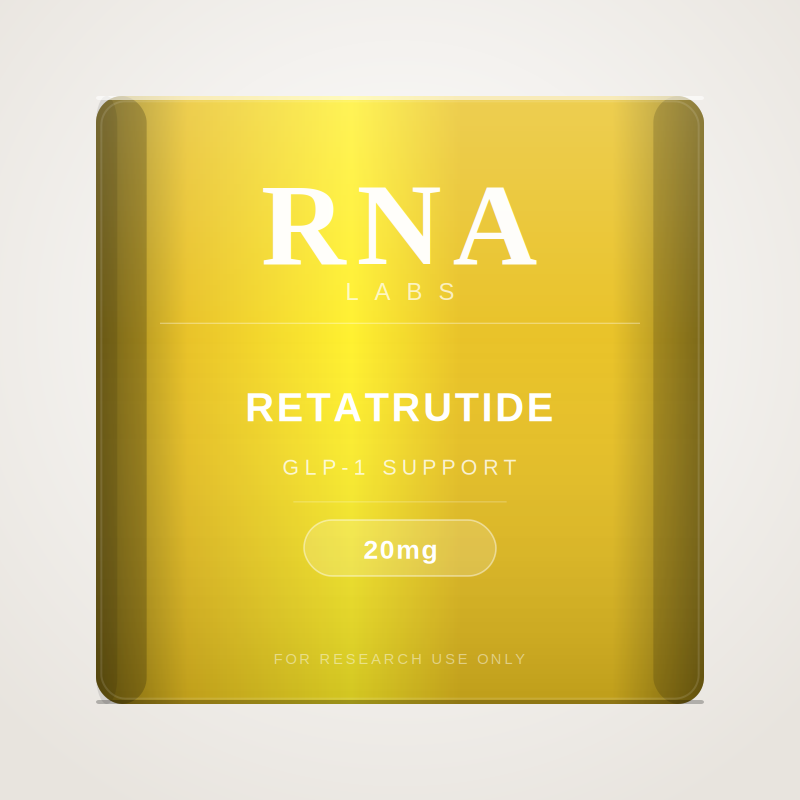
Retatrutide 20mg — higher-dose vial of LY3437943, Eli Lilly's next-generation triple receptor agonist targeting GLP-1, GIP, and glucagon receptors simultaneously. This vial provides sufficient compound for extended or multi-arm research protocols. Retatrutide represents the leading edge of metabolic peptide pharmacology, with Phase II trials demonstrating average weight reduction of 24.2% at 48 weeks — results that exceed all previously available compounds in this class.
Molecular Data
Molecular Formula: C187H291N45O57 | Molecular Weight: 4130.6 g/mol | CAS Number: 2381606-29-3
Triple Receptor Mechanism
Acts simultaneously on GLP-1, GIP (at 8.9× endogenous potency), and glucagon receptors — producing synergistic effects on appetite suppression, insulin sensitivity, and metabolic rate through three independent pathways. The glucagon receptor component drives energy expenditure through thermogenesis, a mechanism absent in semaglutide and tirzepatide.
Phase II Clinical Results
Participants receiving 12mg weekly achieved mean weight loss of 17.5% at 24 weeks and 24.2% at 48 weeks. Secondary outcomes included improvements in triglycerides, HDL, blood pressure, fasting glucose, and liver fat content (MASLD sub-study). Phase III TRIUMPH trials are currently ongoing.
Extended Research Applications
The 20mg vial is designed for research protocols requiring larger quantities — including dose-response studies, multi-arm comparisons, or longer-duration animal model experiments. The fatty diacid modification provides a ~6-day half-life enabling weekly dosing schedules.
Future Research
Currently in Phase III TRIUMPH trials. Research interest includes obesity, type 2 diabetes, MASLD, cardiovascular risk, and kidney disease models.
Product Usage
This product is intended as a research chemical only. This designation allows the use of research chemicals strictly for in vitro testing and laboratory experimentation only. All product information available on this website is for educational purposes only.
Bodily introduction of any kind into humans or animals is strictly forbidden by law. This product should only be handled by licensed, qualified professionals.
This product is not a drug, food, or cosmetic and may not be misbranded, misused or mislabelled as a drug, food or cosmetic.
Reviews
There are no reviews yet.